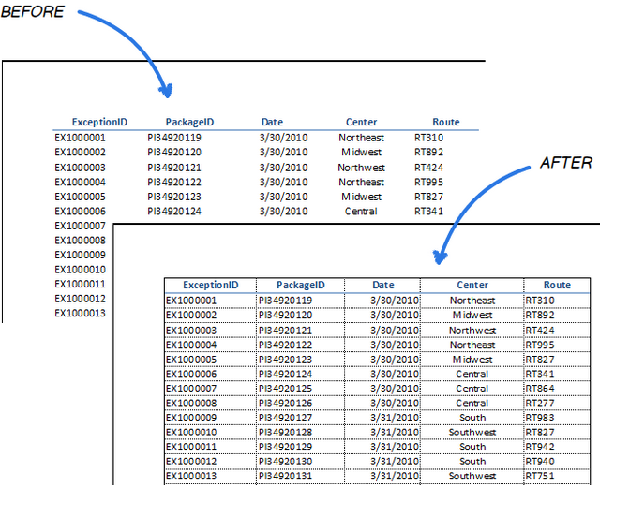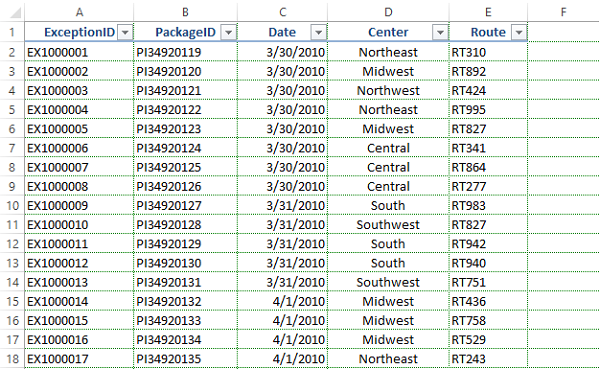

Excel is arguably the most powerful tool for data processing and analysis in the modern workplace. However, a common frustration arises when transitioning from a digital spreadsheet to a physical piece of paper: the disappearance of gridlines. By default, Microsoft Excel does not print the faint gray lines that define cells on your screen, which can make printed data difficult to read and analyze.
To ensure your reports look professional and your data remains legible, you need to manually enable gridline printing. This guide will walk you through the standard methods to print gridlines, how to customize their appearance, and troubleshooting tips to ensure your documents look exactly how you intend.
The Page Setup dialog box in Microsoft Excel showing various tabs
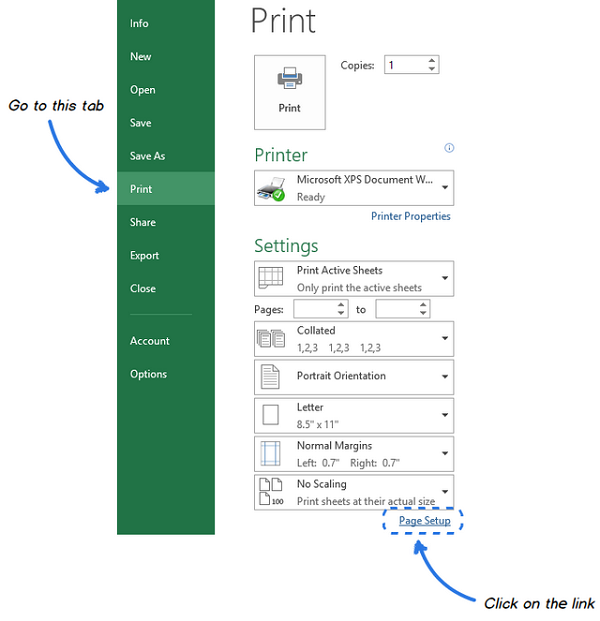
Previewing your work before sending it to the printer is a crucial step in the documentation workflow. Excel allows users to preview and print files effortlessly via the Print tab. However, because the “Print Gridlines” feature is disabled by default to keep documents looking clean, you might end up with a “floating” dataset. Below, we explore the specific steps to fix this issue.
Method 1: Enabling Gridlines via Page Layout
The most direct way to ensure your gridlines appear on paper is through the main Excel ribbon interface. This method is best used while you are still editing your spreadsheet.
- Navigate to the Page Layout tab on the ribbon.
- Locate the Sheet Options group.
- Under the Gridlines section, check the box marked Print.
Once checked, your gridlines are set to print. It is always good practice to verify this before wasting paper. You can do this by navigating to File > Print or using the keyboard shortcut Ctrl + P.
Excel Print Preview screen displaying a spreadsheet with gridlines enabled
In the preview pane on the right side of the screen, you should now clearly see the gridlines defining your rows and columns.
Method 2: Configuring Gridlines via Page Setup (Print Preview)
If you have already navigated to the print menu and realized the gridlines are missing, you do not need to go back to the main editor. You can enable them directly from the Print Preview screen. This is particularly useful for last-minute adjustments.
(Note: If you have exited the preview mode, simply press Ctrl + P to return).
Animated demonstration of navigating Excel menus
Follow these steps to access the settings from the print area:
- In the Print menu, look for the link labeled Page Setup at the bottom of the settings list.
- Clicking this will open the Page Setup dialog window.
Animation showing the selection of print options in Excel
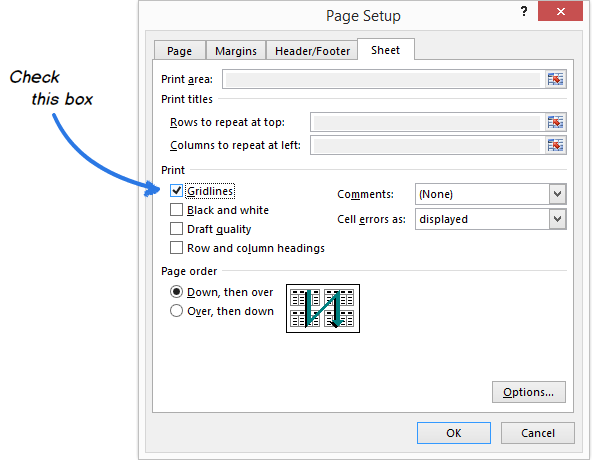
- In the dialog box, switch to the Sheet tab.
- In the Print section, verify that the Gridlines checkbox is selected.
- Click OK to apply the changes.
The Page Setup window in Excel focused on the Sheet tab
After clicking OK, the Print Preview will refresh, and you should see the gridlines appear immediately.
Checking the Gridlines option within the Page Setup dialog box
Important Technical Note: Excel is designed to be efficient with ink. Consequently, it will not print gridlines around empty cells that do not contain data or formatting. If you need a grid to appear in empty areas (for example, to create a manual checklist), you must define a specific Print Area that includes those empty cells.
Small dialog box launcher icon in Excel interface
Advanced Tip: Changing Gridline Color for Printing
By default, Excel gridlines are a faint gray. While this works for most monochrome laser printers, it might be too subtle for presentations or when using high-quality inkjet printers. You can customize the color of these lines to make your data pop or to match your company branding.
To change the gridline color, follow this deep-dive configuration path:
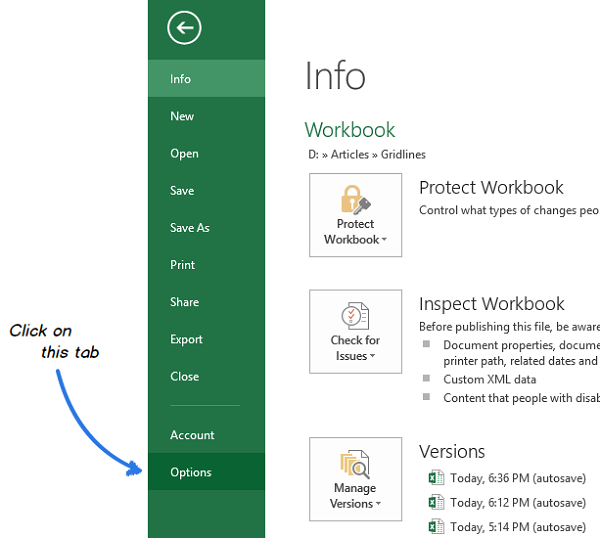
- Click on the File tab in the top-left corner.
The File tab selected in the Excel ribbon
- Select Options at the bottom of the sidebar to open the Excel Options window.
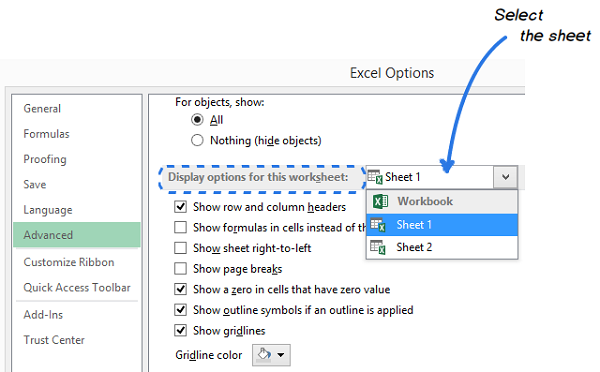
- In the left-hand pane, click on Advanced.
The Advanced tab selected within Excel Options
- Scroll down quite a bit until you find the section labeled Display options for this worksheet.
- Ensure the correct worksheet is selected in the dropdown menu if you have multiple tabs open.
- Verify that Show gridlines is checked (this affects on-screen display, which correlates to printing).
The specific section for worksheet display options in Excel
- Locate the Gridline color setting (usually a paint bucket icon).
- Click the dropdown arrow and select your desired color from the palette.
- Click OK to save.
Selecting a custom color for Excel gridlines
Now, when you print (provided the “Print Gridlines” option from Method 1 is active), the lines will appear in your chosen color, offering better contrast and visual appeal.
Troubleshooting: Why Gridlines May Not Print
Even after following the steps above, some users encounter issues where gridlines still fail to appear. Here are a few technical checks to resolve this:
- White Fill Color: This is the most common culprit. If you have applied a “White” fill color to your cells (instead of “No Fill”), the white fill will overlay and hide the gridlines. To fix this, select your data cells, go to the Home tab, and set the Fill Color to No Fill.
- Draft Quality Mode: In the Page Setup menu (Sheet tab), ensure that “Draft quality” is unchecked. Draft mode often suppresses gridlines to speed up printing.
- Printer Drivers: Occasionally, outdated printer drivers may misinterpret Excel’s rendering instructions. Ensure your print drivers are up to date via the printer manufacturer’s website.
Conclusion
Printing gridlines in Excel is a fundamental skill that significantly enhances the readability of physical spreadsheets. Whether you use the Page Layout tab for quick access or the Page Setup dialog for granular control, ensuring your data is clearly separated is key to professional reporting. Furthermore, customizing gridline colors can add a layer of visual distinction to your documents.
We hope this “Thủ Thuật” guide helps you optimize your Excel workflow. Mastering these small details contributes to greater efficiency and clearer communication in any data-driven environment.
References
- Microsoft Support: Print gridlines in a worksheet
- Excel Campus: Tips for Printing in Excel
- TechRepublic: Microsoft Excel Formatting Techniques


Discussion about this post