
Thủ Thuật
  • TOP Thủ Thuật
    • Thủ Thuật Internet
    • Thủ Thuật Máy Tính
    • Thủ Thuật Tiện Ích
    • Thủ Thuật Phần Mềm
  • Chia Sẻ Kiến Thức
    • Học Excel
    • Học Word
    • Học Power Point
  • Games
  • Kênh Công Nghệ
  • Facebook
  • WordPress
  • SEO
No Result
View All Result
Thủ Thuật
  • TOP Thủ Thuật
    • Thủ Thuật Internet
    • Thủ Thuật Máy Tính
    • Thủ Thuật Tiện Ích
    • Thủ Thuật Phần Mềm
  • Chia Sẻ Kiến Thức
    • Học Excel
    • Học Word
    • Học Power Point
  • Games
  • Kênh Công Nghệ
  • Facebook
  • WordPress
  • SEO
No Result
View All Result
Thủ Thuật
No Result
View All Result
Home Chia Sẻ Kiến Thức Học Excel

Master Conditional Formatting in Excel: A Comprehensive Guide to Data Visualization

Master Conditional Formatting in Excel: A Comprehensive Guide to Data Visualization
6k
SHARES
19.5k
VIEWS
Share on Facebook

Nội Dung Bài Viết

Toggle
  • Understanding Conditional Formatting
  • Step 1: Selecting Data and Applying Basic Rules
  • Advanced Customization: Creating New Rules
  • Managing and Prioritizing Rules
  • Efficiency Tips: Copying and Clearing Formatting
  • Conclusion
  • References

In the world of data analysis, staring at a spreadsheet filled with raw numbers can be overwhelming. Identifying trends, spotting outliers, or flagging critical issues manually is not only time-consuming but also prone to human error. This is where Conditional Formatting in Microsoft Excel becomes an indispensable tool. It transforms static data into dynamic, visual information, allowing you to automatically format cells, rows, or columns based on specific logic.

This guide will walk you through the essentials of Conditional Formatting, from basic application to advanced rule management, helping you elevate your spreadsheet skills and present data with clarity and impact.

Understanding Conditional Formatting

Conditional Formatting operates on a simple premise: if a cell’s data meets a specific condition, Excel applies a defined format (such as color, font style, or border). Unlike standard static formatting, which remains constant regardless of the data, conditional formatting is dynamic.

For instance, you can configure a financial report to automatically turn red when profit margins drop below a certain threshold or turn green when sales targets are exceeded. This flexibility makes it easier to recognize patterns and anomalies instantly. While the feature has evolved, it has remained a core part of the “Styles” group in the Excel interface since Excel 2007.

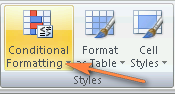
The location of Conditional Formatting on the Home ribbon in Excel 2007 interfaceThe location of Conditional Formatting on the Home ribbon in Excel 2007 interface

To begin, locate the Conditional Formatting button on the Home tab within the Styles group. This menu acts as the control center for all your automated formatting needs.

Step 1: Selecting Data and Applying Basic Rules

The first step in any formatting task is identifying the dataset. You must highlight the specific range of cells where you want the rules to apply. This could be a single column of sales figures, a row of dates, or an entire data table.

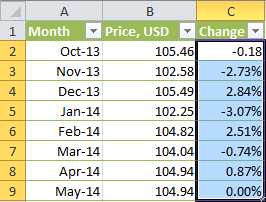
For example, if you are tracking a “Change” metric in a performance report and want to flag negative growth, you would first highlight that specific column.

Xem thêm:  Hàm SUBTOTAL trong Excel: Hướng Dẫn Chi Tiết và Ví Dụ Thực Tế

Selecting a range of numerical data in an Excel spreadsheet for formattingSelecting a range of numerical data in an Excel spreadsheet for formatting

Once your data is selected, navigate to Home > Styles > Conditional Formatting. Excel offers several built-in presets that cover the most common use cases, including Data Bars, Color Scales, and Icon Sets.

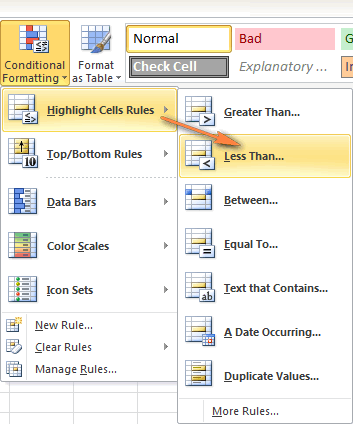
To highlight specific values, such as numbers falling below zero, hover over Highlight Cells Rules. This submenu provides logic options like Greater Than, Less Than, Between, and Equal To. In our example, selecting Less Than… would open a dialog box allowing you to define the trigger value (e.g., 0) and the visual style (e.g., Light Red Fill with Dark Red Text).

Navigating to Highlight Cells Rules and selecting the Less Than optionNavigating to Highlight Cells Rules and selecting the Less Than option

Advanced Customization: Creating New Rules

While built-in presets are convenient, complex data often requires bespoke solutions. If the standard options do not meet your requirements, you can build a custom rule from scratch.

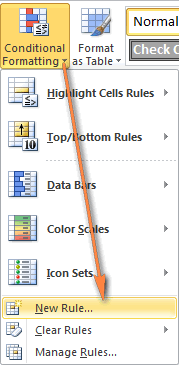
Click on Conditional Formatting > New Rule… to open the New Formatting Rule dialog box. Here, Excel provides granular control over logic. You can choose to format all cells based on their values, format only unique or duplicate values, or even use a formula to determine which cells to format.

The New Formatting Rule dialog box showing various rule typesThe New Formatting Rule dialog box showing various rule types

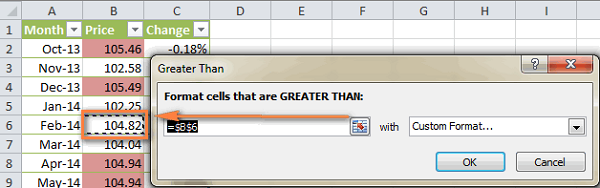
One powerful technique is formatting a cell based on the value of another cell. Instead of hard-coding a number (like “100”) into your rule, you can reference a specific cell in your worksheet.

By doing this, you create a dynamic dashboard. If you change the value in the reference cell, the formatting across your entire dataset updates automatically to reflect the new criteria. This is particularly useful for interactive reports where management might want to see data filtered by different thresholds without editing the rule structure itself.

Setting a formatting rule based on the value of a specific referenced cellSetting a formatting rule based on the value of a specific referenced cell

Managing and Prioritizing Rules

It is common to apply multiple rules to the same dataset. For example, you might want to highlight values above 90 in green and values below 50 in red. However, when rules overlap or conflict, Excel needs to know which one takes precedence.

Xem thêm:  Hướng Dẫn Vẽ Biểu Đồ Trong Excel Từ A Đến Z

You can organize these via the Rules Manager, accessible by selecting Conditional Formatting > Manage Rules…. This window lists all rules currently applied to your selection.

The Conditional Formatting Rules Manager window showing rule order and Stop If True optionThe Conditional Formatting Rules Manager window showing rule order and Stop If True option

In the Rules Manager, higher-placed rules have priority. You can move rules up or down to change their order. Additionally, the Stop If True checkbox is a crucial feature. If checked, Excel will stop checking for subsequent rules once the first condition is met. This optimization prevents format conflicts and ensures that your most critical indicators are displayed correctly.

Efficiency Tips: Copying and Clearing Formatting

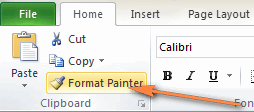
After spending time creating the perfect conditional logic, you may want to apply it to other parts of your workbook without rebuilding it from scratch. The Format Painter tool is the most efficient way to do this.

Simply click a cell that contains your desired conditional formatting, click the Format Painter icon (the paintbrush) on the Home tab, and then drag it over the new range of cells. The logic will be copied over instantly.

Using the Format Painter tool to copy styles to other cellsUsing the Format Painter tool to copy styles to other cells

Finally, keeping your workbook clean is essential for performance. If you no longer need the formatting, avoid manually changing cell colors back to white. Instead, use the Clear Rules function found in the Conditional Formatting menu. You can choose to clear rules from selected cells or the entire sheet, ensuring no residual logic remains to slow down your file.

Conclusion

Conditional Formatting is more than just a cosmetic feature; it is a vital functional tool for anyone serious about data analysis in Excel. By mastering the ability to highlight cells based on logic, use formulas for dynamic updates, and manage multiple rules effectively, you can turn a dense grid of numbers into a clear, actionable story.

Whether you are tracking project timelines, financial budgets, or inventory levels, applying these techniques will significantly enhance the readability and professional quality of your spreadsheets.

References

  • Microsoft Support. (n.d.). Use conditional formatting to highlight information. Retrieved from Microsoft.com
  • TechRepublic. (2024). How to use Excel’s conditional formatting to visualize data.
  • ExcelJet. (n.d.). Conditional formatting formulas.
Đánh Giá Bài Viết
Tuyết Nhi

Tuyết Nhi

Tôi là Tuyết Nhi - Nữ phóng viên trẻ đến từ Hà Nội. Với niềm đam mê công nghệ, khoa học kỹ thuật, tôi yêu thích và muốn chia sẻ đến mọi người những trải nghiệm, kinh nghiệm về các lĩnh vực công nghệ, kỹ thuật... Rất mong được quý độc giả đón nhận ❤️.

Related Posts

How to Generate Unique Random Numbers in Excel: A Comprehensive Guide
Học Excel

How to Generate Unique Random Numbers in Excel: A Comprehensive Guide

Master the Excel ERROR.TYPE Function to Categorize and Fix Formula Errors
Học Excel

Master the Excel ERROR.TYPE Function to Categorize and Fix Formula Errors

How to Print A5 Pages on A4 Paper: A Complete Guide
Học Excel

How to Print A5 Pages on A4 Paper: A Complete Guide

How to Create a Professional Plan vs. Actual Chart in Excel
Học Excel

How to Create a Professional Plan vs. Actual Chart in Excel

Discussion about this post

Trending.

Trẻ 2 Tuổi Có Nên Uống Sữa Milo Không?

Trẻ 2 Tuổi Có Nên Uống Sữa Milo Không?

Share Acc The Battle Cats Miễn Phí Mới Nhất 2025: Full Uber Rare & Cat Food

Share Acc The Battle Cats Miễn Phí Mới Nhất 2025: Full Uber Rare & Cat Food

Hướng Dẫn Tích Hợp Akismet Vào Contact Form 7: Giải Pháp Chống Spam “Tàng Hình” Hiệu Quả Nhất

Hướng Dẫn Tích Hợp Akismet Vào Contact Form 7: Giải Pháp Chống Spam “Tàng Hình” Hiệu Quả Nhất

How to Generate Unique Random Numbers in Excel: A Comprehensive Guide

How to Generate Unique Random Numbers in Excel: A Comprehensive Guide

Mastering Official Document and Contract Management on Excel: A Comprehensive Guide

Mastering Official Document and Contract Management on Excel: A Comprehensive Guide

Giới Thiệu

Thủ Thuật

➤ Website đang trong quá trình thử nghiệm AI biên tập, mọi nội dung trên website chúng tôi không chịu trách nhiệm. Bạn hãy cân nhắc thêm khi tham khảo bài viết, xin cảm ơn!

Chuyên Mục

➤ TOP Thủ Thuật

➤ Chia Sẻ Kiến Thức

➤ Kênh Công Nghệ

➤ SEO

➤ Games

Liên Kết

➤ Ketquaxskt.com

➤ TOP Restaurants

➤ Here Restaurant

➤

➤

Liên Hệ

➤ TP. Hải Phòng, Việt Nam

➤ 0931. 910. JQK

➤ Email: [email protected]

Website này cũng cần quảng cáo, không có tiền thì viết bài làm sao  ” Đen Vâu – MTP ”

DMCA.com Protection Status

© 2025 Thủ Thuật - Website chia sẻ kiến thức công nghệ hàng đầu Việt Nam

No Result
View All Result
  • TOP Thủ Thuật
    • Thủ Thuật Internet
    • Thủ Thuật Máy Tính
    • Thủ Thuật Tiện Ích
    • Thủ Thuật Phần Mềm
  • Chia Sẻ Kiến Thức
    • Học Excel
    • Học Word
    • Học Power Point
  • Games
  • Kênh Công Nghệ
  • Facebook
  • WordPress
  • SEO

© 2025 Thủ Thuật - Website chia sẻ kiến thức công nghệ hàng đầu Việt Nam