
Are you struggling to transfer large folders via email? Is your hard drive constantly flashing the “low storage” warning? The solution lies in a fundamental computing skill: file compression. Think of it like packing your belongings into compact boxes when moving house. Compression software groups your files and significantly reduces their digital footprint, saving you storage space and reducing transmission time.
In this comprehensive guide by Thủ Thuật, we will dive deep into the world of file archiving. We will cover everything from technical definitions and format comparisons to advanced encryption methods, ensuring you can manage your data like a pro.
Understanding Compression Formats: .zip, .rar, and .7z
Before you start clicking, it is crucial to understand the “containers” you are putting your data into. While there are dozens of archive formats, three dominate the tech landscape today: .zip, .rar, and .7z.
- The Universal Standard (.zip): This is the most compatible format in existence. It is natively supported by almost every operating system, including Windows, macOS, and Linux, without requiring third-party software. If you are sending files to a client or a non-tech-savvy friend, always use .zip to ensure they can open it.
- The Efficient Veteran (.rar): Created by Eugene Roshal, this format typically offers better compression ratios than .zip, meaning smaller file sizes. However, it is a proprietary format. You need specialized software like WinRAR to create these files, though many tools can extract them.
- The Open Source Champion (.7z): The native format of 7-Zip creates the smallest file sizes among the three, thanks to the LZMA compression method. It is open-source and highly efficient for archiving massive backups, though it requires compatible software to access.
Choosing Your Toolkit: Free vs. Paid
The software market for file compression is vast. Here is a breakdown of the most reliable tools:
- Free Solutions:
- 7-Zip: The gold standard for free open-source software. It is lightweight, contains no bloatware, and handles almost every known format.
- Windows Explorer: Built directly into Windows, perfect for basic .zip management.
- Paid/Freemium Solutions:
- WinRAR: Famous for its “endless free trial,” it remains a powerful tool with specific recovery record features that can sometimes repair damaged archives.
- WinZip: A legacy tool that offers cloud integration but is often considered heavy for basic users.
Thủ Thuật Recommendation: For most users, 7-Zip is the superior choice due to its balance of performance and cost (free).
Step-by-Step: How to Compress Files on Windows
Compressing files is a straightforward process, but using the right method can save you time.
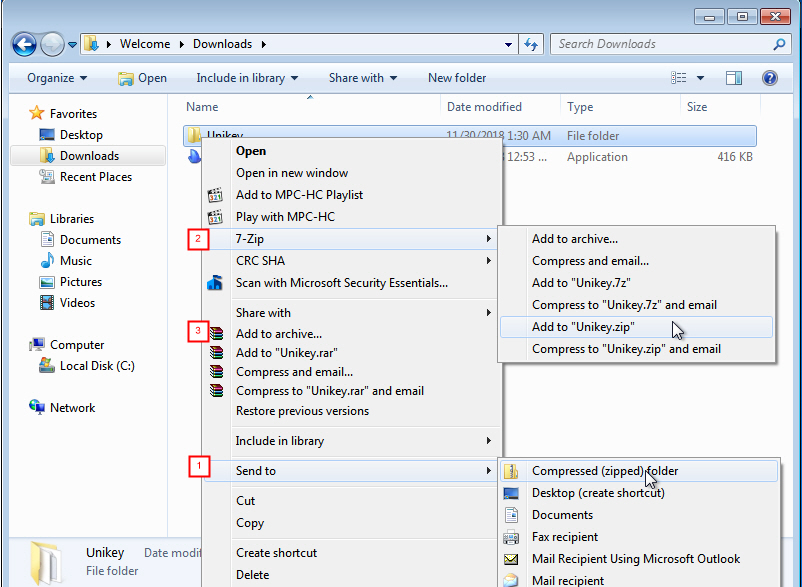
Context menu showing the Send to Compressed folder option in Windows
Method 1: The Native Windows Way (Quickest for .zip)
- Highlight the files or folders you wish to compress.
- Right-click on the selection.
- Navigate to Send To > Compressed (zipped) folder.
- Windows will instantly create a new .zip file in the same location.
Method 2: Using 7-Zip or WinRAR (For Advanced Options)
- Select your target files.
- Right-click to open the context menu.
- Select 7-Zip > Add to “filename.zip” for instant archiving.
- Alternatively, select Add to Archive… to open the advanced settings window where you can choose compression levels (Store, Fast, Ultra) or split the archive into multiple parts.
Security: Encrypting Your Archives with Passwords
One of the most powerful features of file compression is security. If you are sending sensitive documents via the internet, sending them “naked” is a risk. Compressing them with a password adds a layer of encryption (usually AES-256).
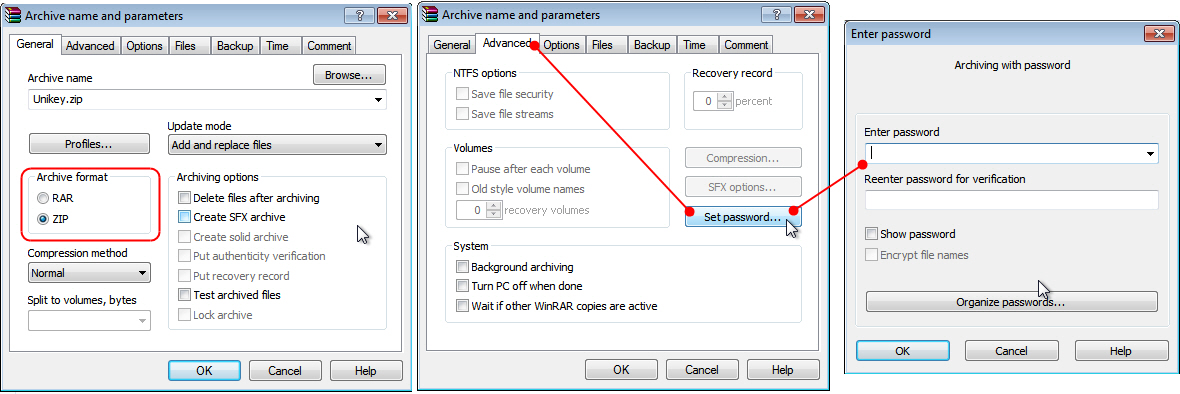
User interface of compression software showing password field
To secure your data:
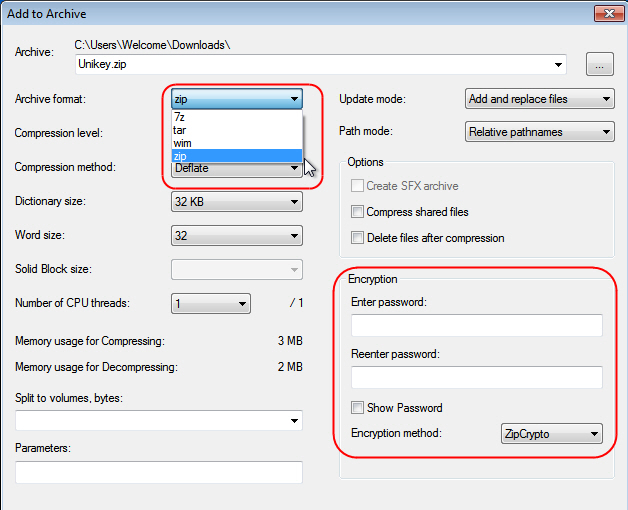
- Right-click your files and choose Add to Archive… (using 7-Zip or WinRAR).
- Look for the Encryption section on the right side of the menu.
- Enter a strong password.
- Pro Tip: Check the box that says “Encrypt file names.” This prevents prying eyes from even seeing what files are inside the archive without the password.
7-Zip interface displaying the enter password dialog box
Mastering File Extraction
Getting files out of an archive is just as important as putting them in. Modern tools offer several ways to extract data depending on your needs.
The Context Menu Method
The fastest way to unpack everything is via the right-click menu.
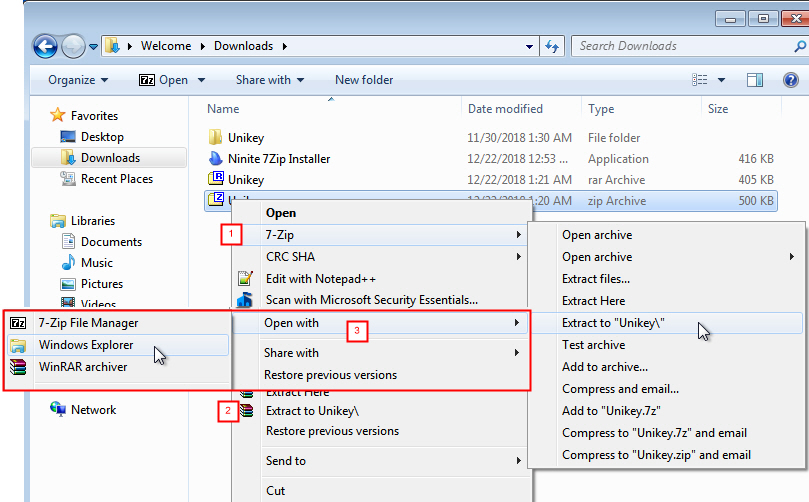
Context menu displaying various extraction options like Extract Here
- Extract Here: Dumps all files directly into the current folder. Be careful if the zip file contains hundreds of loose files, as this can clutter your desktop instantly.
- Extract to [Folder Name]: This is the cleanest method. It creates a new folder with the same name as the zip file and puts everything inside it.
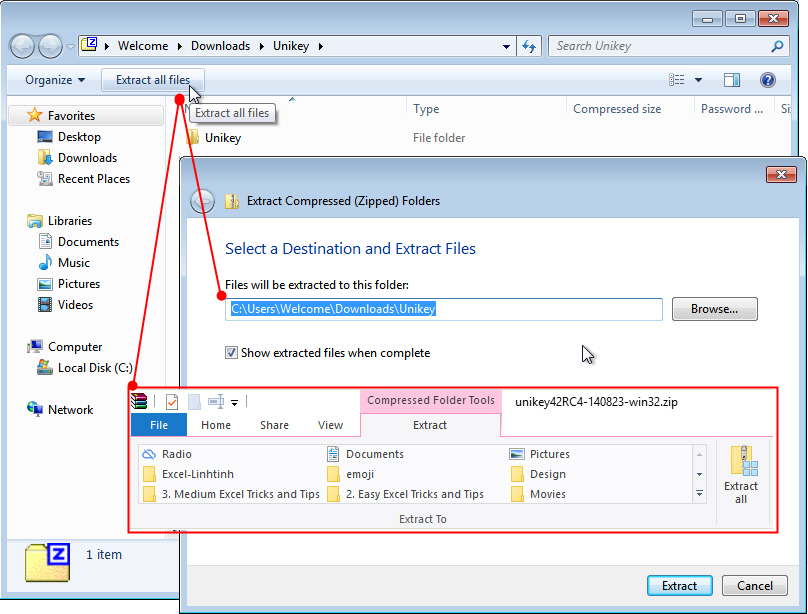
Windows Explorer ribbon showing the Extract All button
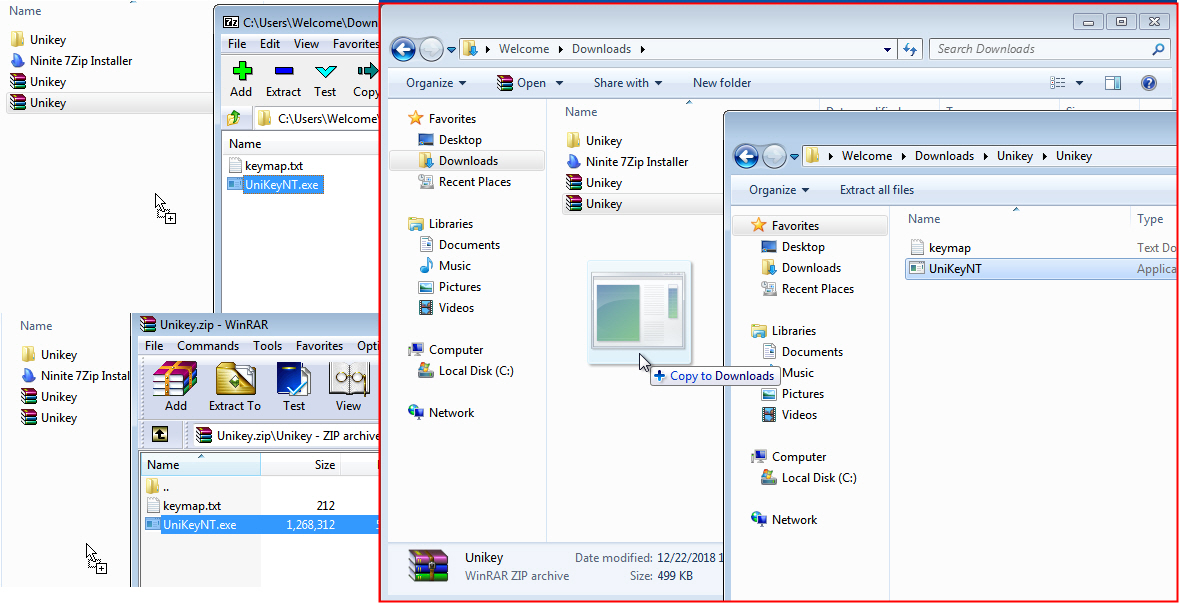
The Drag and Drop Method
If you only need one specific file from a massive archive, you don’t need to extract the whole thing.
Mouse cursor dragging a file from the archive window to the desktop
Simply double-click the archive to open it, locate the specific file you need, and drag it onto your desktop or into another folder. Conversely, you can drag new files into an open archive window to add them to the compressed package without unzipping it first.
Critical Warning: Editing Files Inside Archives
A common mistake many users make is trying to work on files directly inside the compressed folder without extracting them first.
Error message illustration regarding file modifications in archives
Why is this dangerous?
When you double-click a file inside a zip (e.g., an Excel sheet), the software extracts it to a temporary folder deep in your system. If you make edits and hit “Save,” you are often saving to that temporary location. Once you close the archive software, that temporary file—and your hours of work—may be deleted permanently.
The Golden Rule: Always extract the file to a standard folder before editing it. Only re-compress it once you are finished.
Advanced Strategy: Cloud Backup Optimization
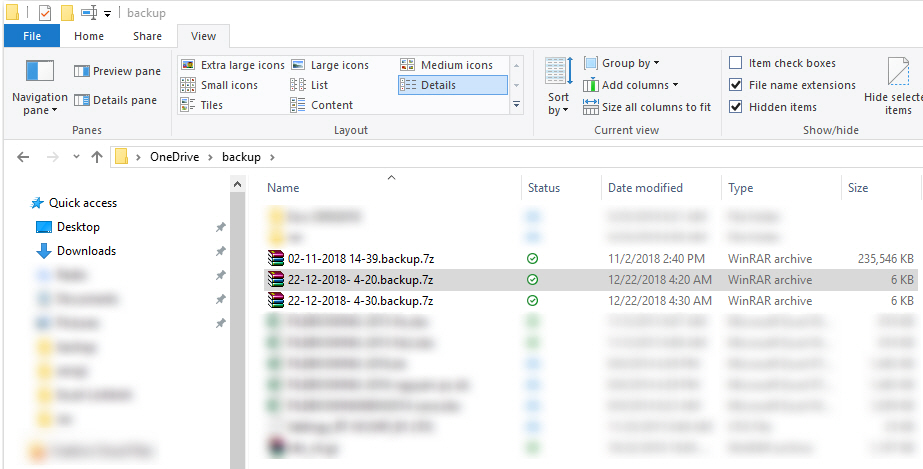
File compression is not just for email; it is a cornerstone of an effective backup strategy. Cloud storage services like Google Drive or OneDrive are excellent, but uploading thousands of tiny files can be slow due to protocol overhead.
Conceptual illustration of data moving to cloud storage
By compressing your project folder into a single .7z or .rar file before uploading:
- Speed: You upload one large file instead of 10,000 small ones, which is significantly faster.
- Security: You can apply your own encryption password, ensuring that even if the cloud provider is hacked, your data remains readable only to you.
- Integrity: Archives often have checksums that prevent file corruption during transfer.
Conclusion
File compression is a vital digital literacy skill. Whether you are using the universal .zip format for compatibility, the efficient .7z for archiving, or utilizing encryption for security, mastering these tools will make your digital life more organized and secure.
Remember the key takeaways: always use .zip for sharing with others, consider 7-Zip for your personal toolkit, and never edit files directly inside an archive.
We hope this guide has equipped you with the knowledge to handle data like a tech expert. If you found this article helpful, share it with your network or leave a comment below about your favorite compression tool. Stay tuned to Thủ Thuật for more in-depth tech tips and tricks!
References
- 7-Zip Official Site – Detailed features of the LZMA compression method.
- Microsoft Support – Guidelines on zipping and unzipping files in Windows.
- WinRAR/Rarlab – Technical specifications of the RAR5 format.
- TechCrunch & The Verge – General technology standards and software reviews.


Discussion about this post