

Bạn đang phân vân giữa Excel Trực tuyến và Google Trang tính? Việc lựa chọn đúng công cụ bảng tính trực tuyến phù hợp với nhu cầu công việc là rất quan trọng. Bài viết này sẽ so sánh chi tiết Excel Trực tuyến và Google Trang tính, giúp bạn đưa ra quyết định sáng suốt. Chúng tôi sẽ phân tích các tính năng, ưu nhược điểm của cả hai nền tảng để bạn có cái nhìn tổng quan và chọn lựa công cụ tối ưu nhất.
Tổng quan về Excel Trực tuyến và Google Trang tính
Cả Excel Trực tuyến và Google Trang tính đều là những công cụ bảng tính trực tuyến mạnh mẽ, cung cấp các tính năng cơ bản cần thiết. Tuy nhiên, mỗi nền tảng đều có những điểm mạnh riêng. Việc hiểu rõ sự khác biệt này sẽ giúp bạn tận dụng tối đa tiềm năng của từng công cụ.
Tính năng nổi bật của Excel Trực tuyến
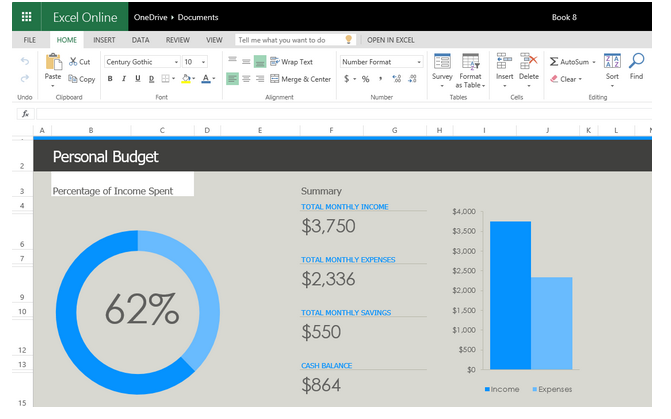 Các tính năng tiện lợi trong Excel trực tuyến
Excel Trực tuyến nổi bật với khả năng tương thích cao với phiên bản Excel desktop. Khi chèn hoặc xóa ô, bạn có thể dễ dàng di chuyển dữ liệu hiện có. Việc thêm email hoặc tham chiếu trong tài liệu cũng rất tiện lợi. Chức năng cắt và dán dữ liệu hoạt động mượt mà. Tab “Trang chủ” quen thuộc giúp người dùng dễ dàng làm quen.
Tính năng hấp dẫn của Google Trang tính
Google Trang tính cung cấp nhiều tùy chọn dán đặc biệt, cho phép chuyển đổi dữ liệu, loại trừ đường viền khi sao chép định dạng, dán xác nhận dữ liệu và định dạng có điều kiện. Tính năng “freeze panes” (cố định dòng và cột) hữu ích khi làm việc với bảng dữ liệu lớn. Google Trang tính còn có tính năng tìm kiếm và thay thế dữ liệu mạnh mẽ, hỗ trợ cả tìm kiếm phân biệt chữ hoa chữ thường và biểu thức chính quy.
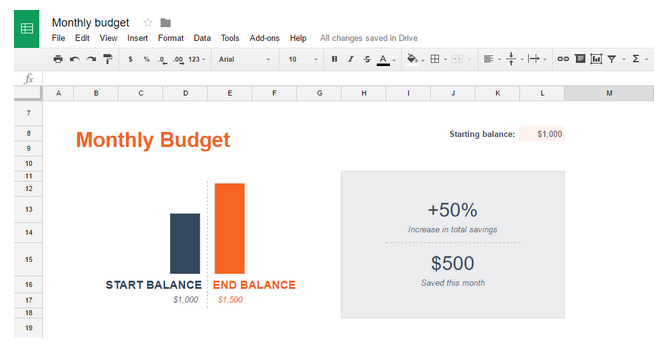 Các tính năng tiện lợi trong Google Trang tính
Google Trang tính có giao diện tương tự Excel 2003, với các biểu tượng trực quan và trình đơn thả xuống dễ sử dụng.
So sánh định dạng
Cả hai nền tảng đều cung cấp các tùy chọn định dạng cơ bản, tuy nhiên vẫn có một số khác biệt nhỏ.
Định dạng trong Excel Trực tuyến
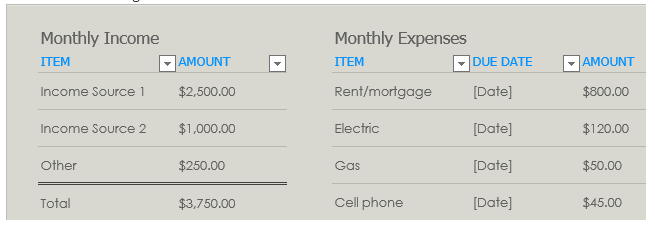 Định dạng trong Excel Trực tuyến
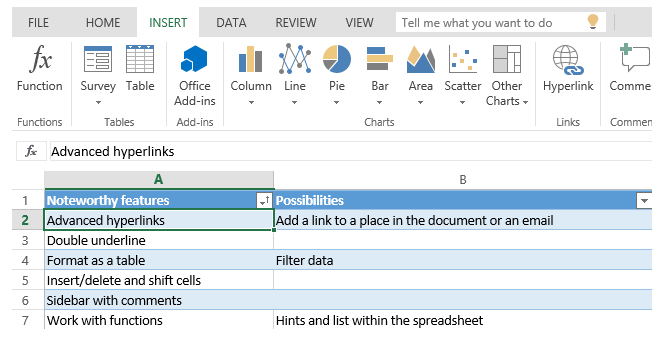
Excel Trực tuyến cho phép chuyển đổi mảng dữ liệu thành bảng, giúp làm nổi bật tiêu đề và phân biệt các hàng bằng màu sắc.

Định dạng trong Google Trang tính
 Định dạng trong Google Trang tính
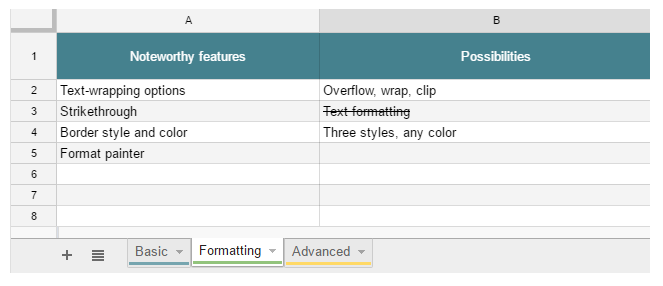
Google Trang tính cung cấp nhiều tùy chọn về kiểu dáng và màu sắc đường viền, gói văn bản và định dạng vẽ. Bạn có thể sử dụng nét gạch ngang giữa chữ và tô màu cho bảng tên.
Đánh giá chi tiết ưu nhược điểm
Excel Trực tuyến
Ưu điểm:
 Ưu điểm của Excel Trực tuyến
- Tương thích tốt với phiên bản desktop.
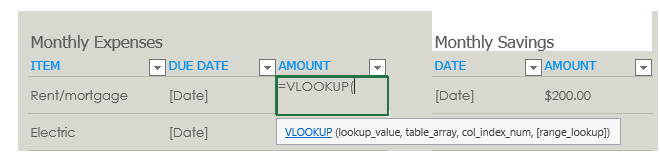
- Gợi ý công thức trực quan.
- Định dạng bảng tiện lợi.
- Quản lý bình luận hiệu quả.
- Hỗ trợ nhiều loại biểu đồ.
- Mở rộng chức năng với các add-ins.

Nhược điểm:
- Tải lại tệp thường xuyên.
- Thiếu một số tính năng nâng cao như thay thế dữ liệu, tùy chọn phân loại nâng cao, định dạng có điều kiện và xác nhận dữ liệu.
- Bộ lọc chỉ khả dụng khi sử dụng bảng.
- Kết hợp tài liệu chưa tối ưu.
Google Trang tính
Ưu điểm:
 Ưu điểm của Google Trang tính
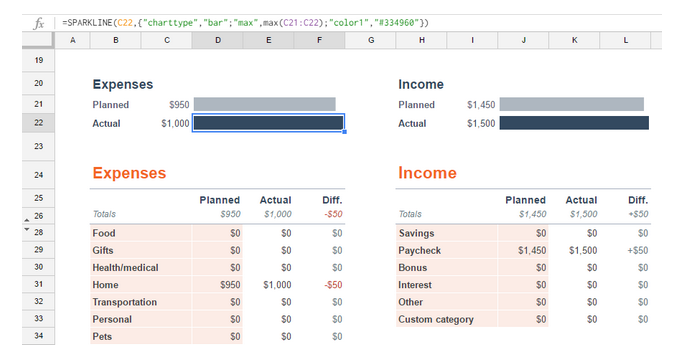 Ưu điểm của Google Trang tính
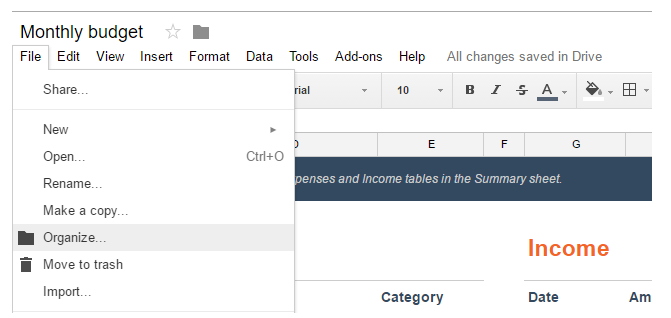 Ưu điểm của Google Trang tính
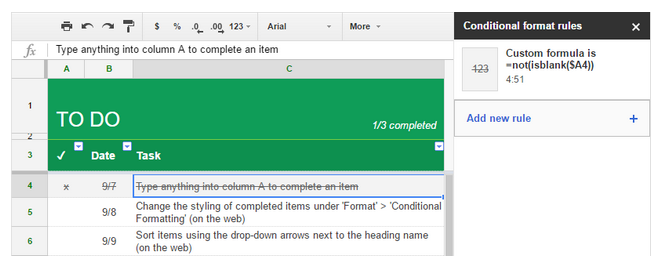
- Định dạng có điều kiện mạnh mẽ.
- Bảo vệ phạm vi và toàn bộ trang tính.
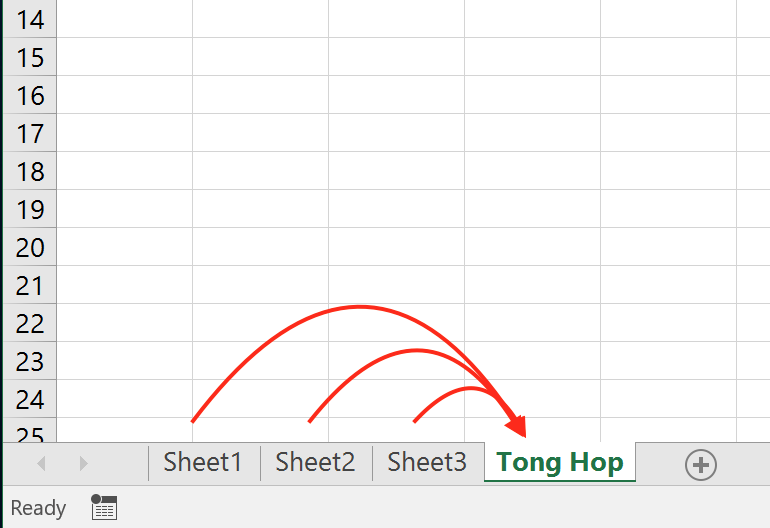
- Kết hợp dữ liệu hiệu quả, hỗ trợ làm việc nhóm và kiểm soát phiên bản.
- Tích hợp phân tích dữ liệu với báo cáo bảng tổng hợp.
- Hỗ trợ xác nhận dữ liệu.
- Ứng dụng và tiện ích mở rộng đa dạng.
- Lọc và tạo chế độ xem linh hoạt.
- Phân loại nâng cao.
- Hợp nhất dữ liệu theo nhiều cách.
- Tùy chọn “Explore” hữu ích.
- Phân biệt nhận xét và ghi chú.
- Tích hợp Google Apps Script.
- Quản lý tệp và thư mục dễ dàng.
- Hoạt động tốt trên nhiều thiết bị.
Nhược điểm:
- Thiếu gợi ý công thức.
- Một số tính năng chuyên sâu còn hạn chế so với Excel desktop.
Kết luận
Google Trang tính phù hợp với nhu cầu làm việc cộng tác, phân tích dữ liệu trực tuyến và truy cập từ nhiều thiết bị. Excel Trực tuyến lại là lựa chọn tốt nếu bạn cần sự tương thích cao với phiên bản desktop và giao diện quen thuộc. Việc lựa chọn cuối cùng phụ thuộc vào nhu cầu cụ thể và thói quen sử dụng của bạn.











Discussion about this post